Security and Legal Certainty in International Real Estate Investments: Why Diversify Your Capital Beyond Domestic Borders?
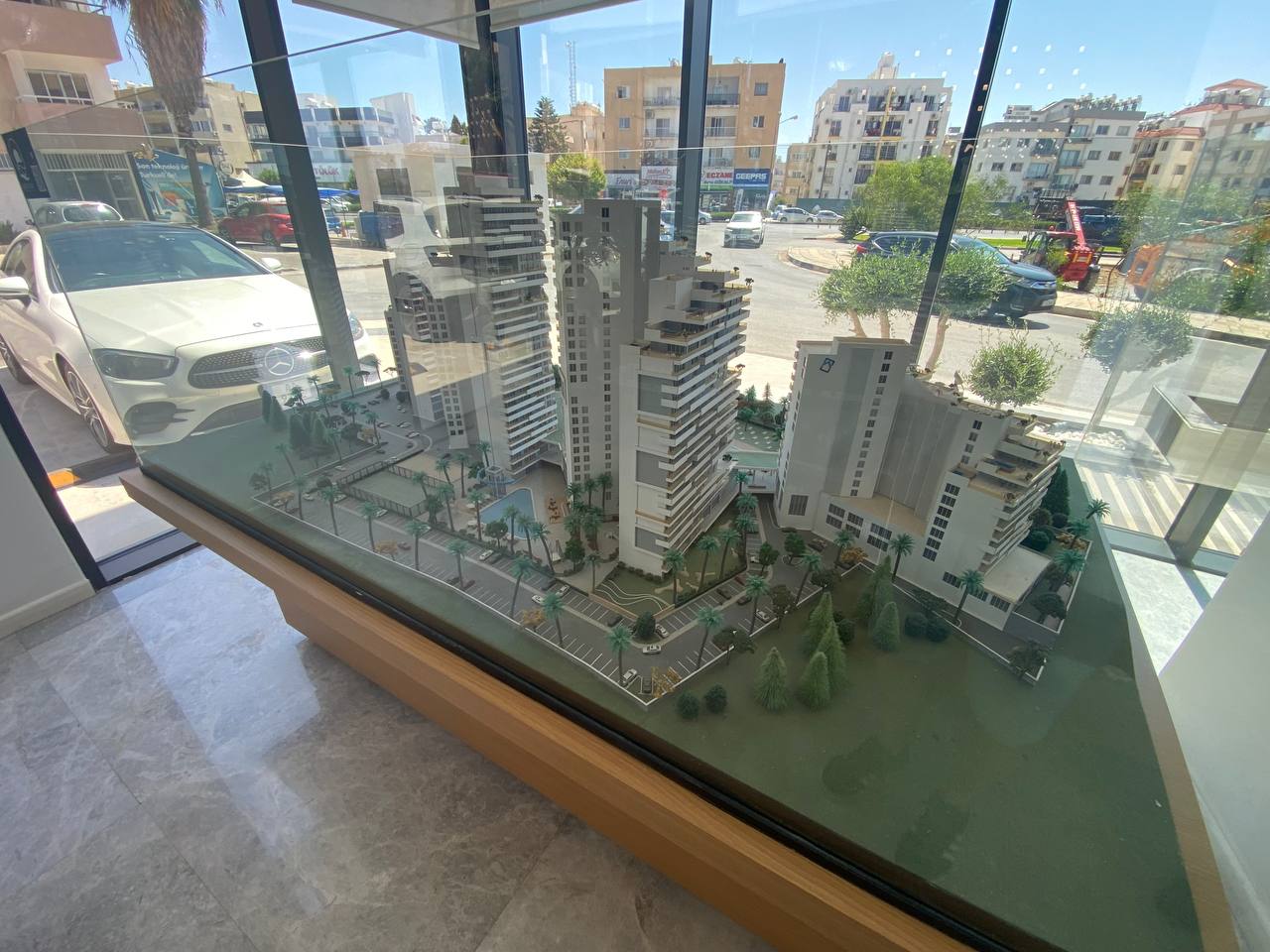
Imagine standing on the threshold of a decision that could fundamentally transform how your wealth works for you. Investing in international real estate is not merely buying bricks and mortar—it is a strategic move on the global capital chessboard. While domestic markets offer familiar surroundings, international diversification unlocks hard currency exposure, higher yield potential, and insulation against localized economic downturns.
How do you distinguish a genuine opportunity from a risky trap? How can you navigate foreign legal systems and ensure your investment rests on a solid foundation that generates stable passive income?
Why Consider International Capital Allocation?
Holding 100% of your assets within a single jurisdiction exposes you to concentration risk. Overseas real estate serves as a robust second or third pillar in a portfolio strategy, positioned within distinct legal and economic frameworks.
Core Pillars of International Diversification:
- Hard Currency Exposure: Destinations such as Northern Cyprus (where properties are predominantly priced and contracted in British Pounds – GBP), Dubai (USD/AED), or the Eurozone safeguard purchasing power. Adding assets denominated in GBP or USD hedges against local currency devaluation.
- Superior Yield Potential: While mature residential markets in Western countries often yield average gross rental returns of around 3–4%, well-located international holiday apartments can achieve significantly higher returns. Rapidly growing emerging hubs frequently yield high single-digit to low double-digit gross returns. However, net yield after real operating costs is what truly matters.
- Protection Against Regulatory & Political Pressures: Spreading assets across jurisdictions enhances personal and financial autonomy, protecting wealth against rising domestic tax burdens and bureaucracy.
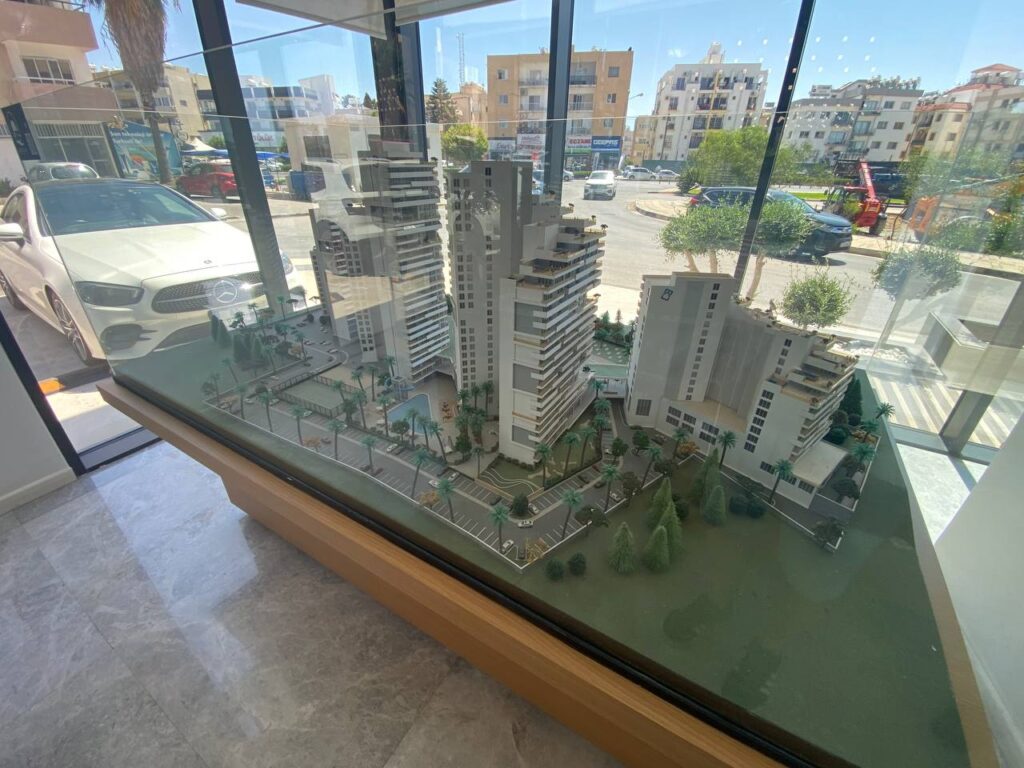
What Makes Overseas Real Estate Attractive—and Where Risks Begin
When evaluating properties, we separate marketing claims from actual investment fundamentals.
Key Advantages:
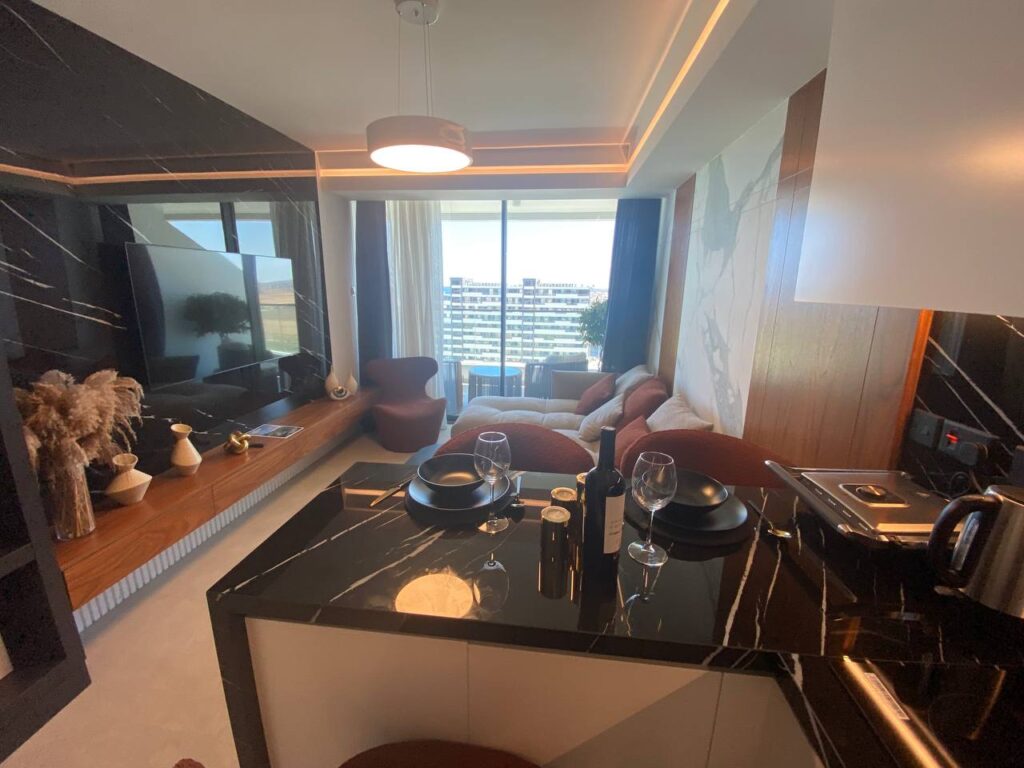
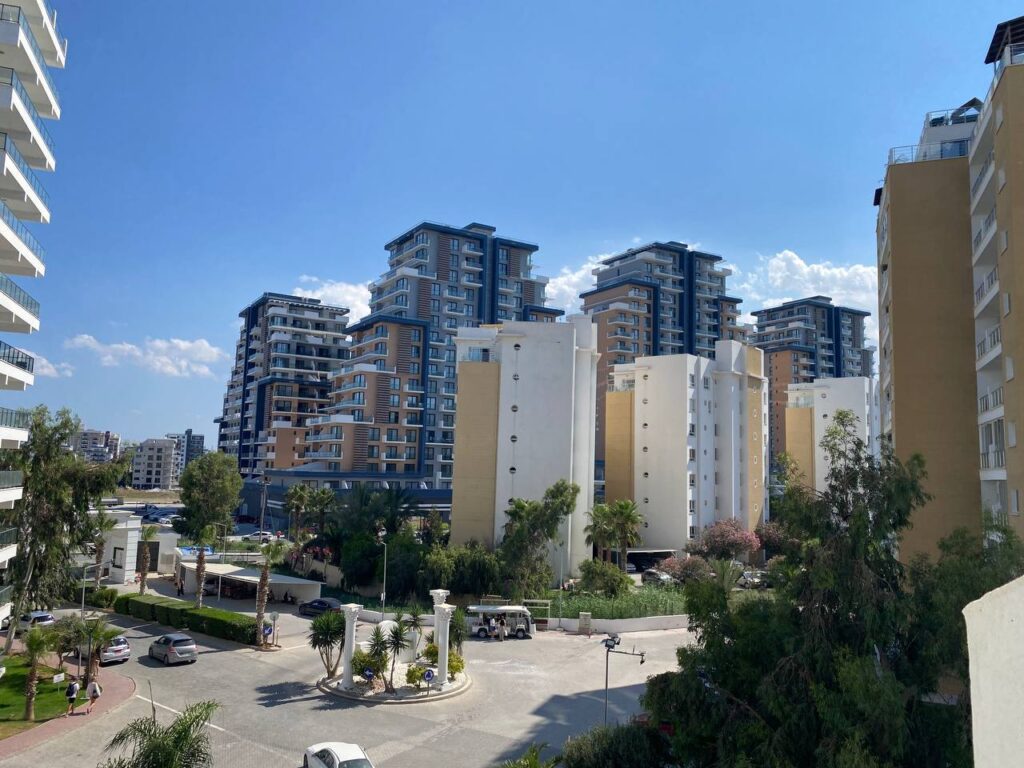
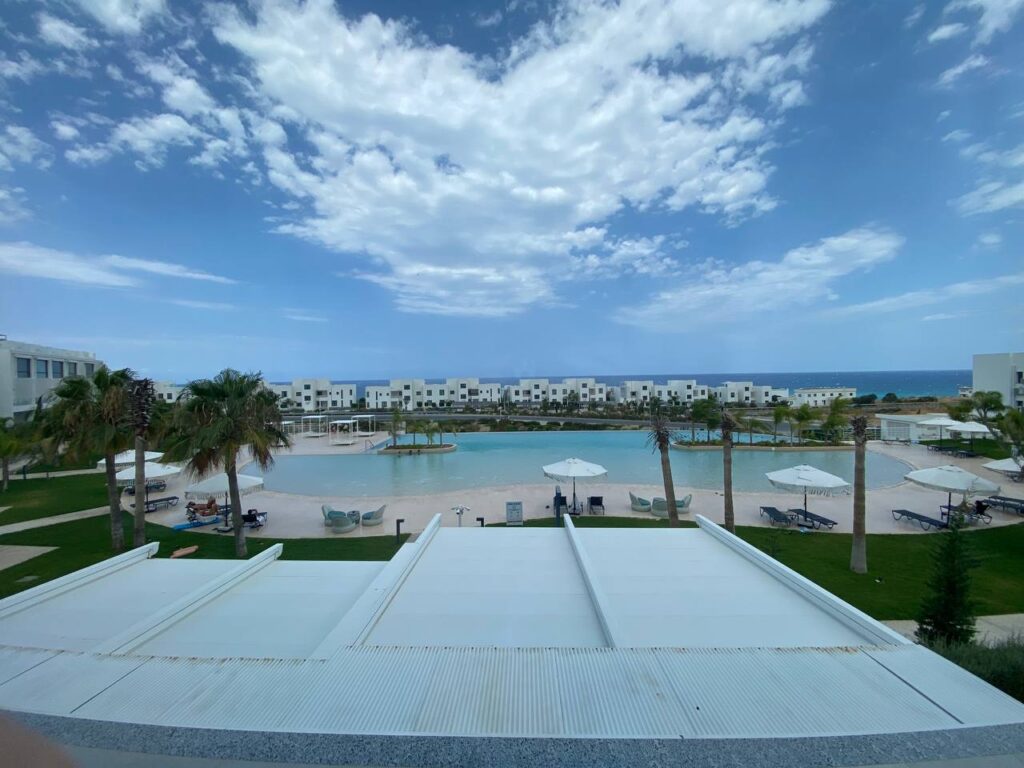
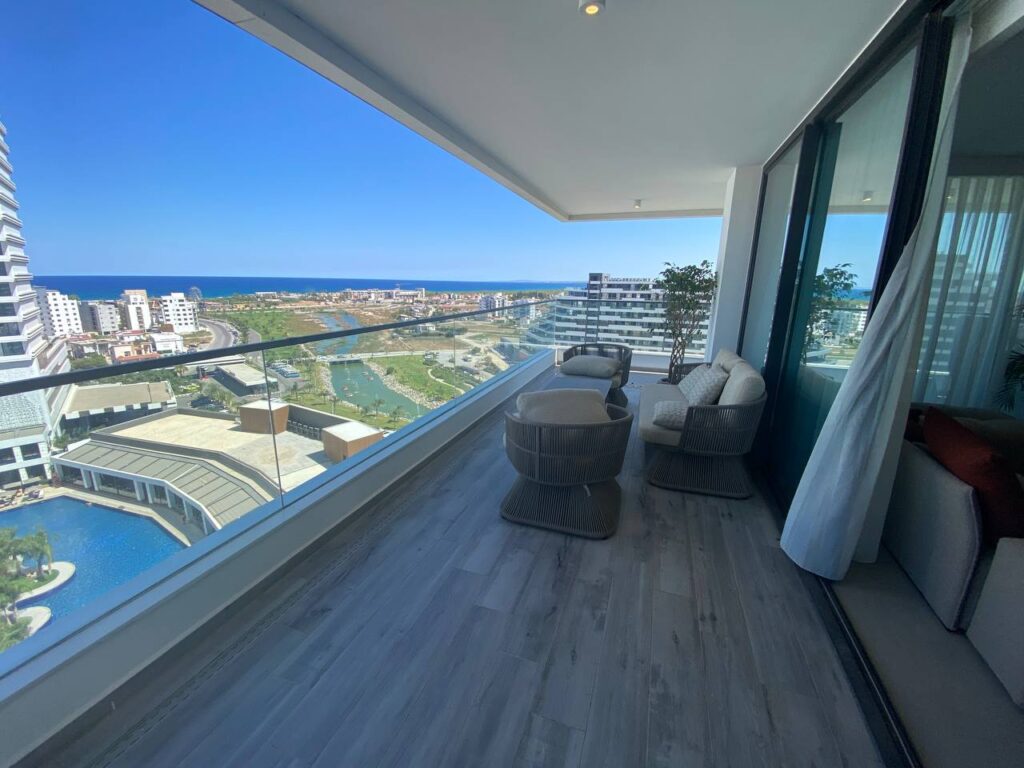
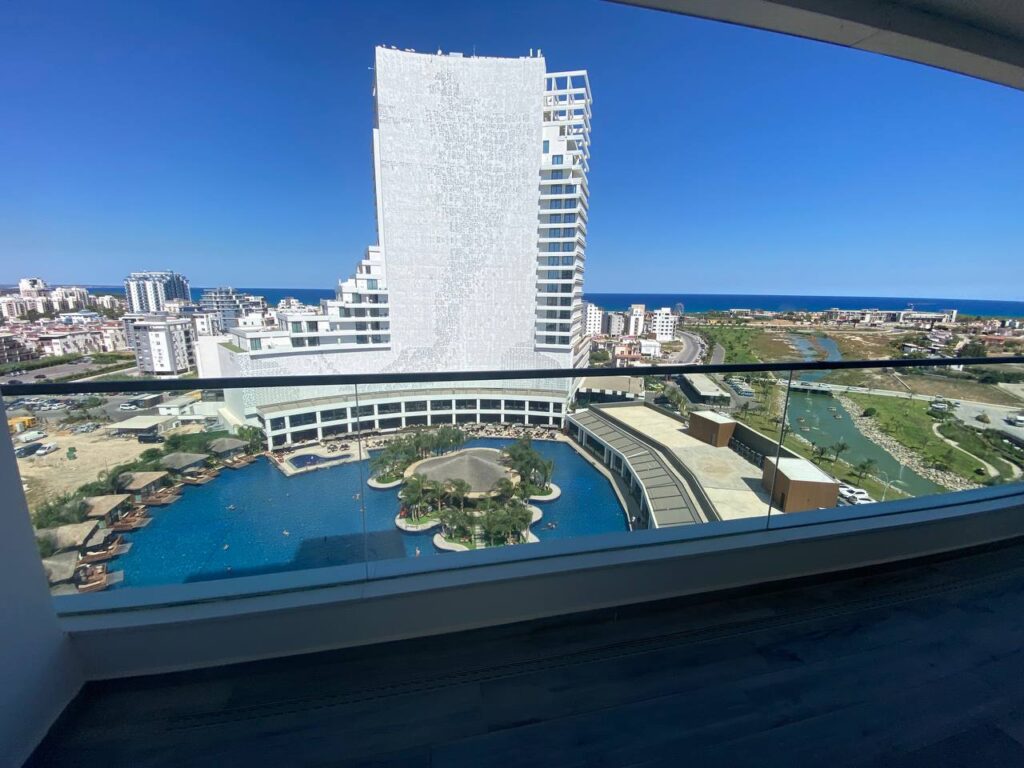
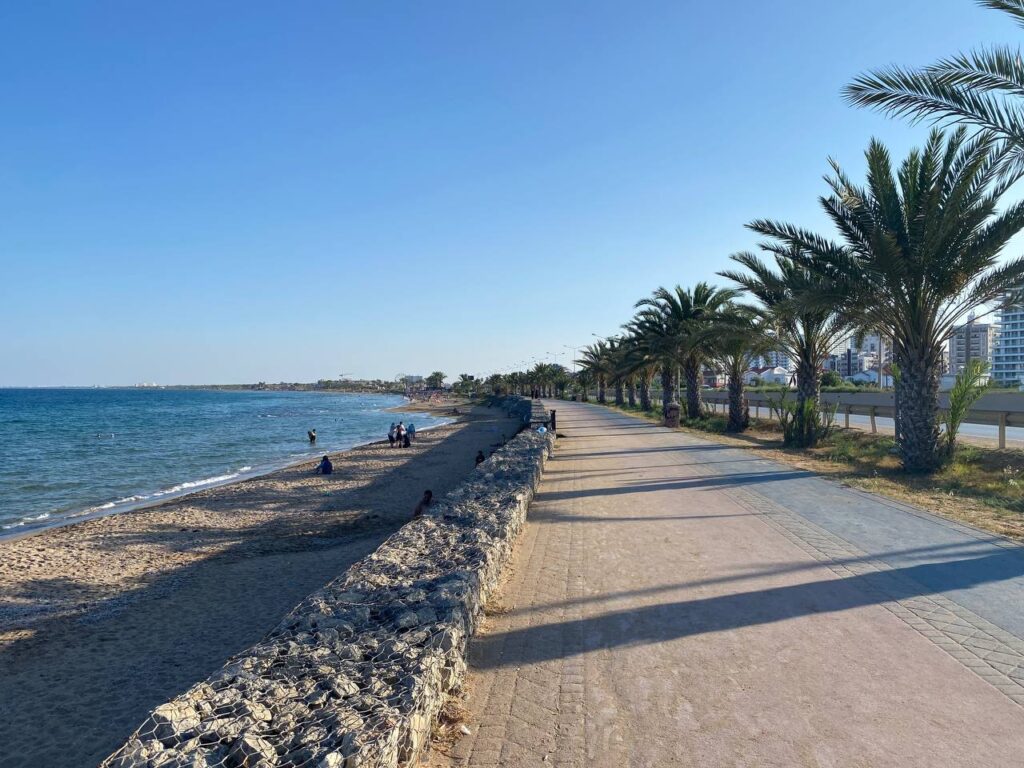
- Prime coastal or high-demand tourist locations with year-round sunshine.
- Attractive entry prices compared to mature domestic markets.
- Flexible payment plans and access to developer financing.
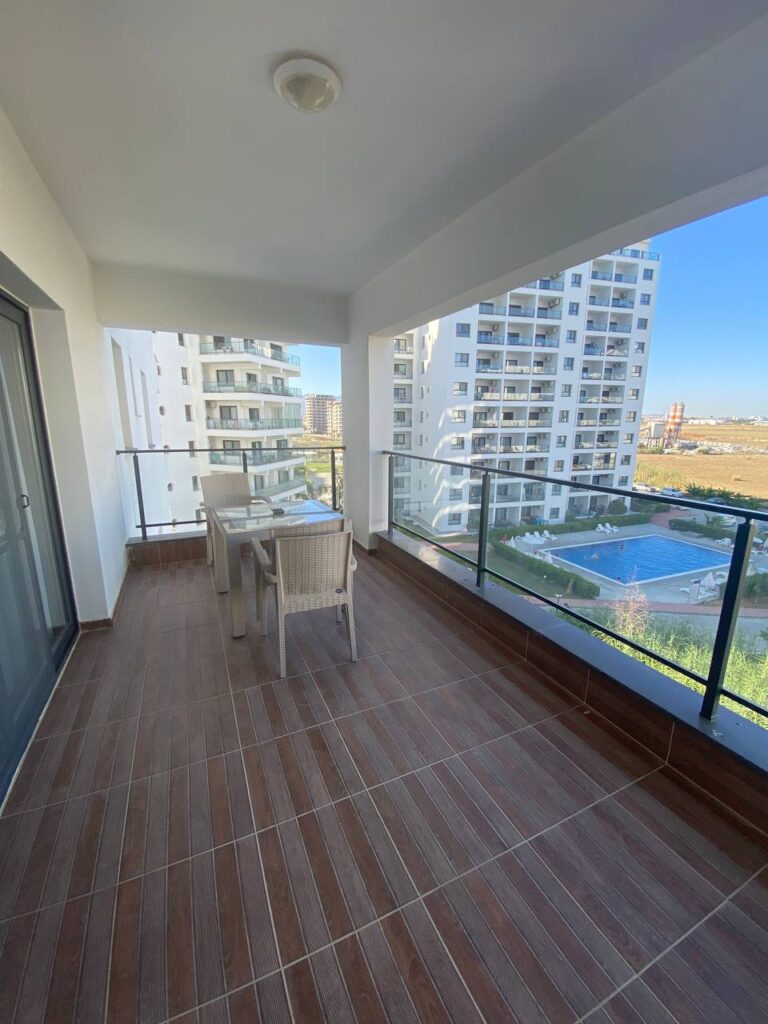
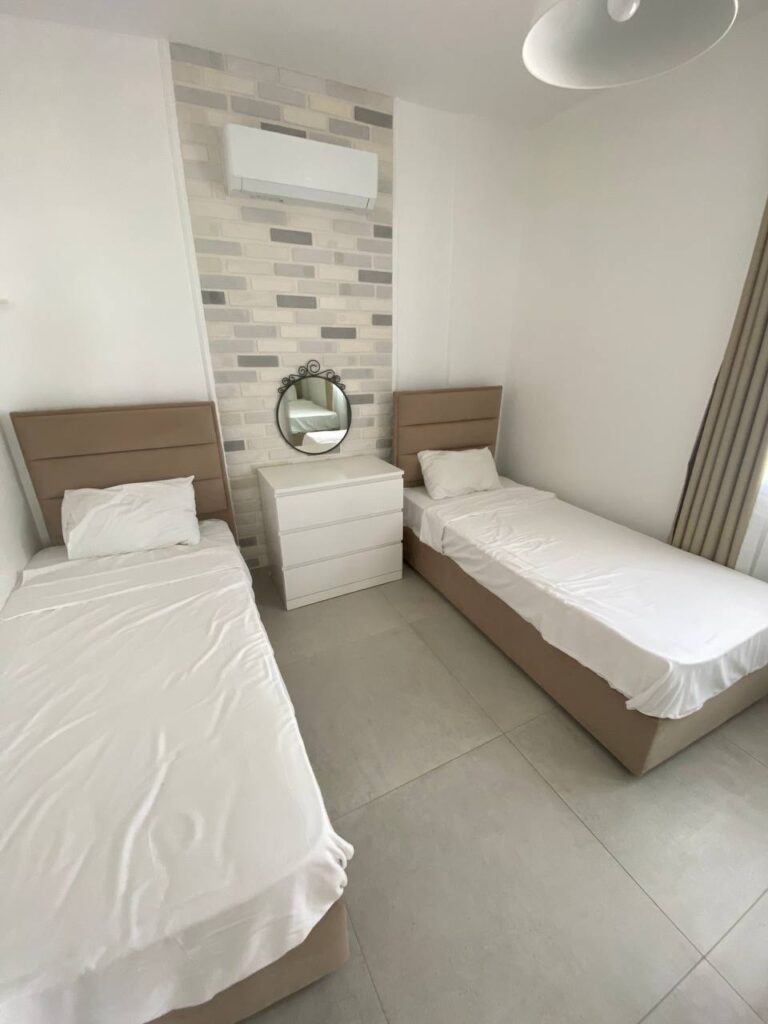
- Dual-use opportunities (personal holiday use combined with short-term rentals).
- Professional property management handling all operational logistics.
- Strong capital appreciation potential and net rental growth.
Associated Risks to Manage:
- Currency fluctuations and liquidity constraints.
- Construction delays.
- Developer and property manager solvency risks.
- Regulatory changes regarding foreign ownership.
- Historical land title considerations.
- Rental vacancy variations.
An investment is not high-quality simply because it holds upside potential; it is high-quality when the investor fully understands and mitigates downside scenarios.
The Unique Investment Profile of Northern Cyprus
Northern Cyprus has emerged as a prominent real estate hub due to a combination of factors drawing international capital:
- Priced and Traded in British Pounds (GBP): Real estate contracts are structured in GBP, offering international buyers a stable hard-currency store of value.
- Infrastructure Growth: Modernized airports, marina expansions, and luxury resort developments continue to drive land and property values upward.
- Climate & Tourism Demand: Over 300 days of sunshine annually ensure consistent short-term rental demand.
- Flexible Developer Financing: Developers offer interest-free installment plans during construction, making capital deployment highly efficient.
Legal Architecture: Ensuring Maximum Security for Your Investment
Conservative investors frequently ask about the legal status of the Turkish Republic of Northern Cyprus (TRNC) and foreign diplomatic advisories.
Official foreign ministry travel and legal advisories stem from the island’s 1974 division and the absence of direct consular services in the north. However, robust legal mechanisms approved at international levels exist to protect property buyers.
       [ Project / Land Parcel ]
                 │
                 ▼
┌─────────────────────────────────────┐
│      Title Deed Classification      │
│    - Only Esdeğer or Pre-1974       │
└────────────────┬────────────────────┘
                 │
                 ▼
┌─────────────────────────────────────┐
│    Land Registry Audit (Tapu)       │
│    - Verify Encumbrances & Mortgages│
└────────────────┬────────────────────┘
                 │
                 ▼
┌─────────────────────────────────────┐
│   Independent Legal Representation  │
│   - Attorney acts solely for Buyer  │
└────────────────┬────────────────────┘
                 │
                 ▼
┌─────────────────────────────────────┐
│    Approved & Verified Investment   │
└─────────────────────────────────────┘

1. Classification of Title Deeds
At OPUS Prosperity, through our licensed partners, we deal exclusively with properties that pass rigorous legal filtering:
- Pre-1974 Turkish and Foreign Title Deeds: Land owned by Turkish Cypriots, British nationals, or international entities prior to 1974. These deeds hold the highest level of legal certainty.
- Legal Context: The Republic of Cyprus (South) disputes post-1974 land transfers in the north. Therefore, OPUS Prosperity executes individual legal due diligence on every single parcel and transaction.
- Esdeğer Deeds (Exchange Titles): Land officially issued by the TRNC government to Turkish Cypriots in exchange for property relinquished in the south post-1974. These titles are fully valid within the TRNC legal system.
- Zero Tolerance for Disputed Titles: Land with unclear provenance is strictly excluded from our portfolio.
2. The Immovable Property Commission (IPC) & ECHR Jurisprudence
- ECHR Recognition: The European Court of Human Rights (ECHR) in Strasbourg recognized the IPC (Demopoulos decision) as an effective domestic remedy for property claims. The IPC can award restitution, exchange, or financial compensation.
- Legal Framework: This mechanism embeds property rights within an internationally recognized legal recourse framework.
3. Institutional Links and Regional Stability
The TRNC holds observer status in international bodies such as the Organization of Islamic Cooperation (OIC) and the Organization of Turkic States. Turkey provides economic and infrastructure backing (including a 23 billion TRY cooperation agreement in 2026). Turkey is a member of the OECD, Council of Europe, NATO, and the EU Customs Union.
4. British Common Law Foundations
The legal system in Northern Cyprus is rooted in British Common Law, providing international investors with familiar legal principles regarding contracts and property law.
Multi-Stage Due Diligence Process
We enforce strict transaction controls:
- Land Registry Search (Tapu Dairesi): Verifies clear title, confirming no existing mortgages, liens, or encumbrances.
- Independent Legal Representation: Transactions are reviewed by an independent licensed attorney who represents the buyer exclusively.
- Developer Financial Audit: Partnerships are restricted to established developers with proven completion track records.
Financing Strategy: Combined Leverage
Investors do not pay funds to OPUS Prosperity; all payments are made directly to the developer, bank, or attorney escrow account.
| Investment Stage | Capital Required | Duration | Key Advantage |
| Down Payment | 30–50% of purchase price | At contract signing | Secures property price; funded via equity or home country financing. |
| Construction Installments | Remaining balance to 100% | 24–36+ months | Interest-free payment plans provided directly by the developer. |
| Refinancing / Exit | Subject to strategy | Post-completion or during construction | Options include assignment of contract, resale, or rental yield. |
Property Management: The Key to Passive Income
Professional management services cover:
- Dynamic pricing and listing optimization on global platforms (Airbnb, Booking.com).
- 24/7 guest services, check-in/out, cleaning, and maintenance.
- Transparent online portal tracking occupancy and net revenue.
Tax & Regulatory Compliance
International property owners must ensure compliance in both the property jurisdiction and their home country of tax residence. Recommended steps:
- Determine tax residency status.
- Identify property ownership structure.
- Differentiate rental income from capital gains.
- Apply Double Taxation Avoidance agreements where applicable.Always consult a qualified tax advisor for personalized structuring.
Risk Matrix & Active Management
| Risk Category | Verification Focus |
| Legal | Title provenance, registry entries, encumbrances |
| Developer | Solvency, track record, completed projects |
| Construction | Delivery timelines, delay penalty clauses |
| Currency | GBP/USD/EUR exchange rates vs. local operational currency (TRY) |
| Rental | Occupancy projections, seasonality, local market competition |
| Operations | Property management standards, service fees |
| Taxation | Local withholding tax and home country reporting |
| Liquidity | Exit strategies and market demand |
Frequently Asked Questions (FAQ)
1. How much initial capital is required?
Down payments typically range from 30–35%. For a £120,000 property, the initial capital required is approximately £36,000–£42,000. The remaining balance is paid in interest-free installments during construction.
2. How are foreign ministry travel/legal advisories addressed?
Advisories highlight the unique international status of Northern Cyprus. OPUS Prosperity mitigates this by conducting individual legal audits on land titles, registry entries, and contracts prior to purchase.
3. What rental yields can realistically be expected?
While mature domestic markets average 3–4% gross yield, prime holiday apartments in Northern Cyprus can offer higher yields in hard currency. Net returns depend on occupancy, operational fees, and tax optimization.
4. Do I need to travel to Northern Cyprus in person?
An inspection trip is highly recommended. However, transactions can be completed remotely by granting Power of Attorney to an independent licensed solicitor.
5. What happens if I want to sell the property?
For select off-plan developments, contracts allow buyers to assign their purchase agreement to a new buyer prior to completion or sell on the open market post-completion.
6. How is a project audited before listing?
Every project undergoes a 3-layer verification process:
- Legal Audit: Verification of title deed origin, Land Registry (Tapu) encumbrances, and independent legal contract drafting.
- Developer & Project Audit: Background check on developer solvency, building permits, and construction milestones.
- Financial Audit: Price benchmarking, rental yield modeling, operating costs, and exit strategy analysis.
Conclusion: Capital Protection and Growth Built on a Solid Foundation
Investing in overseas real estate requires precise risk management and procedural rigor. By combining the market potential of Northern Cyprus, currency diversification via GBP, and the strict legal vetting applied by OPUS Prosperity’s licensed partners, you establish a solid pillar for your investment portfolio.
Important Information: This material is for general informational purposes only and does not constitute personalized investment, tax, or legal advice. Past performance and model calculations do not guarantee future returns. Purchasing real estate in Northern Cyprus is subject to local laws and specific authorization requirements for foreign buyers. Please contact our specialists for a detailed assessment of the investment’s suitability.









OverseasRealEstate #RealEstateInvestment #NorthernCyprus #CapitalDiversification #PassiveIncome #LegalCertainty #PropertyManagement #CurrencyDiversification #OPUSProsperity #RealEstateMarket #FinancialFreedom #PropertyInvesting #InternationalRealEstate #OffPlanProperty
Considering an investment in overseas property?
We will be pleased to discuss the options with you and help assess whether a selected destination matches your investment goals.
BOOK A CONSULTATION